Why Your Customers Prefer Texting Over Calling — And What That Means for Your Business
Phone calls aren't going away — but for most customers, texting has quietly become the preferred way to reach a business. Here's what that shift means for you.
Why Your Customers Prefer Texting Over Calling — And What That Means for Your Business
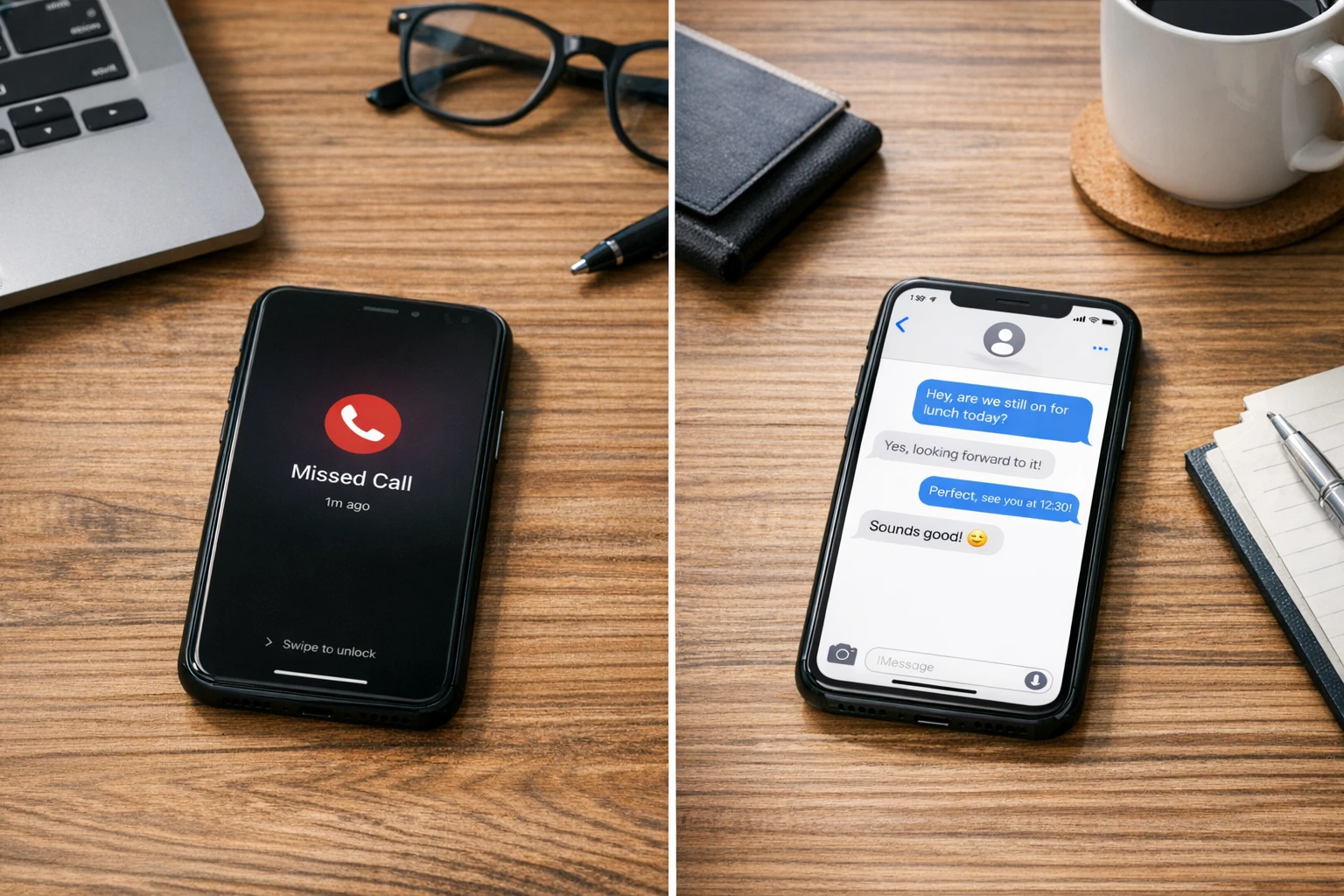
Think about the last time you had to call a business to ask a simple question. You probably waited on hold. You may have had to repeat yourself. You may have even given up and tried to find the answer online instead.
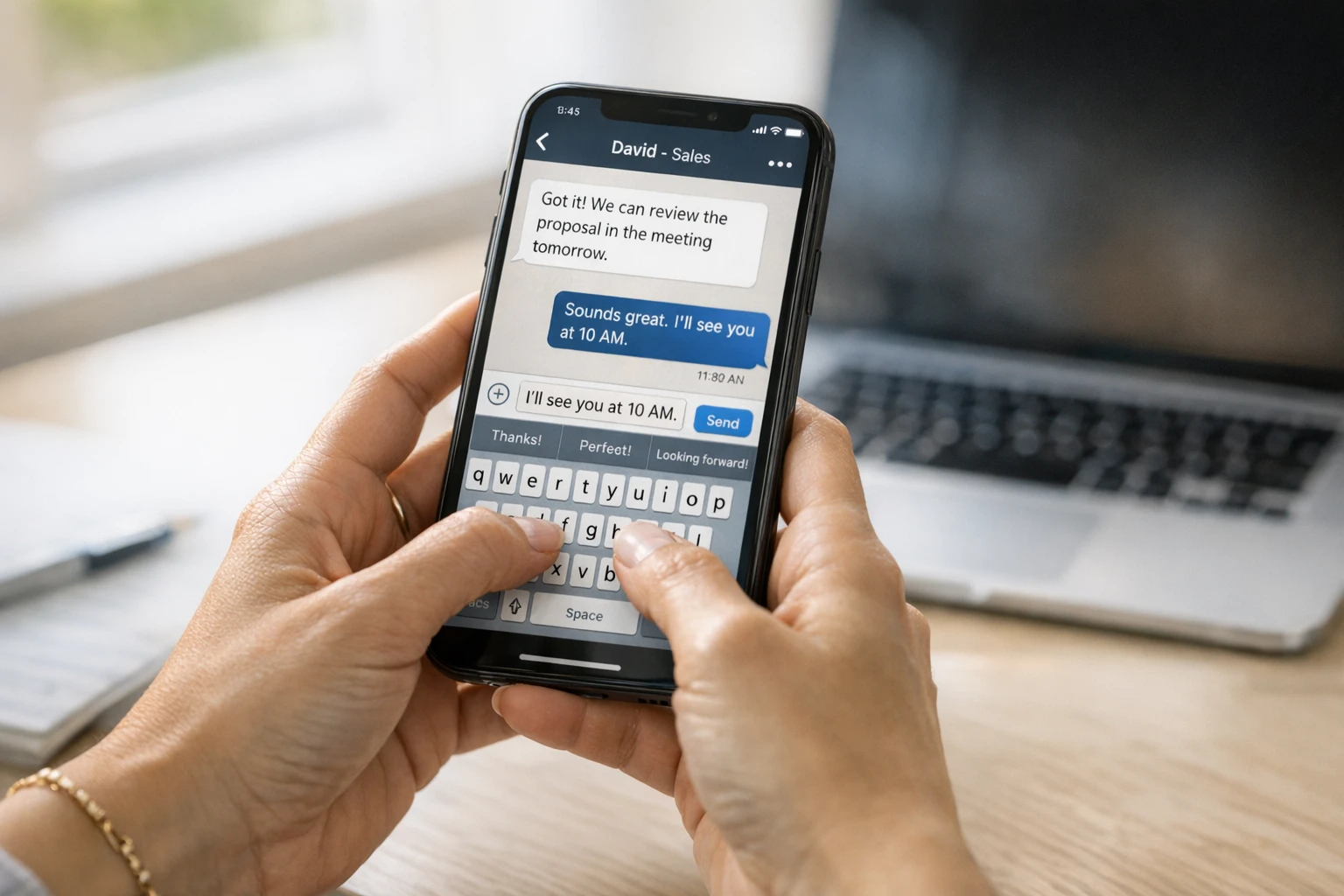
Now think about the last time you texted a business. If it went well, it probably felt completely different — quick, easy, and on your own schedule.
That contrast isn't a coincidence. Texting has become the default communication channel for a huge portion of your customers, and the businesses that understand this are quietly winning more of them.
The Numbers Don't Lie
The shift toward text-based communication isn't a trend — it's already happened.
Research consistently shows that 9 out of 10 consumers prefer texting over calling when they need to reach a business. Among adults under 45, that number climbs even higher. And it's not just younger generations: even customers who grew up with landlines often reach for a text first because it's simply easier.
What's driving it? A few things:
- No hold music. Nobody wants to sit on hold. A text lets customers ask their question and get back to their day while they wait for a reply.
- No interruptions. A phone call demands your full attention right now. A text fits around whatever else is happening.
- A record of the conversation. It's easy to scroll back and confirm an appointment time or double-check an address. No scribbled notes required.
- Lower pressure. Some customers feel anxious about phone calls, especially when they're asking something they think might be a "dumb question." Texting feels safer.

Why Businesses Are Slow to Catch Up
Here's the frustrating part: most small businesses know their customers prefer texting, but they haven't done anything about it. The main reasons?
"It'll get messy." When texts come in through a personal cell number, there's no way to track them, assign them, or make sure they get answered. Things fall through the cracks.
"I can't be glued to my phone." If you're a plumber on a job site, a dentist with a full schedule, or a shop owner who can't stop every five minutes to type a reply — that's a legitimate concern.
"We've always done it by phone." Old habits are hard to break, especially when nobody's directly measuring what it's costing you.
The problem is, customer expectations don't wait for businesses to catch up. When someone texts you and hears nothing back for hours — or never hears back at all — they assume you're either disorganized, too busy to care, or closed. Then they go find someone who responds.
What You're Missing If You're Phone-Only
Let's say you run a local law office. A potential client finds you on Google, thinks you look like a good fit, and wants to ask a quick question before scheduling a consultation. They don't want to call — they're at work and can't talk. So they look for a way to message you.
If there isn't one, most of them won't call. They'll move on to the next result.
This plays out across every industry. Salons, contractors, real estate agents, healthcare providers, restaurants — they're all losing inquiries from customers who would have converted if they'd had a low-friction way to reach out.
And it's not just new customer acquisition. Existing customers who want to reschedule, ask a quick question, or confirm a detail are also more likely to do it over text. When that channel doesn't exist, some of them just don't bother — and the relationship quietly erodes.
Meeting Your Customers Where They Are
The good news is that adapting to this shift doesn't mean you need to be glued to your phone 24/7 or hire someone to manage messages around the clock.
The best approach is a system — one that makes sure texts get seen, get answered, and don't fall through the cracks whether you're with a customer, on a job, or off for the evening.
A few things that make a real difference:
One inbox, not chaos. When texts, calls, and emails all funnel into one place, nothing gets buried in a personal phone's message thread or forgotten in an email folder.
Fast responses, even when you're busy. Customers who text expect a reply within a few minutes — not a few hours. Having an automated first response that acknowledges their message and sets expectations goes a long way toward keeping them engaged while you get back to them.
A record you can actually use. Text conversations leave a paper trail. You can review what was said, share context with a team member, and pick up where you left off without anyone having to re-explain themselves.
The Shift Is Already Happening — The Question Is Where You Stand
Texting isn't a nice-to-have anymore. For a growing number of your customers, it's the minimum bar for feeling like a business is modern, accessible, and worth their time.
The businesses that are easy to reach — by text, by call, on whatever channel the customer prefers — are the ones building real loyalty. Not because they offer something dramatically better, but because they make it effortless to do business with them.
That kind of convenience compounds. Customers remember it. They come back. They tell people.
Want to see how Everdesk helps small businesses stay responsive across every channel — without the chaos? Explore what Everdesk can do for your business.